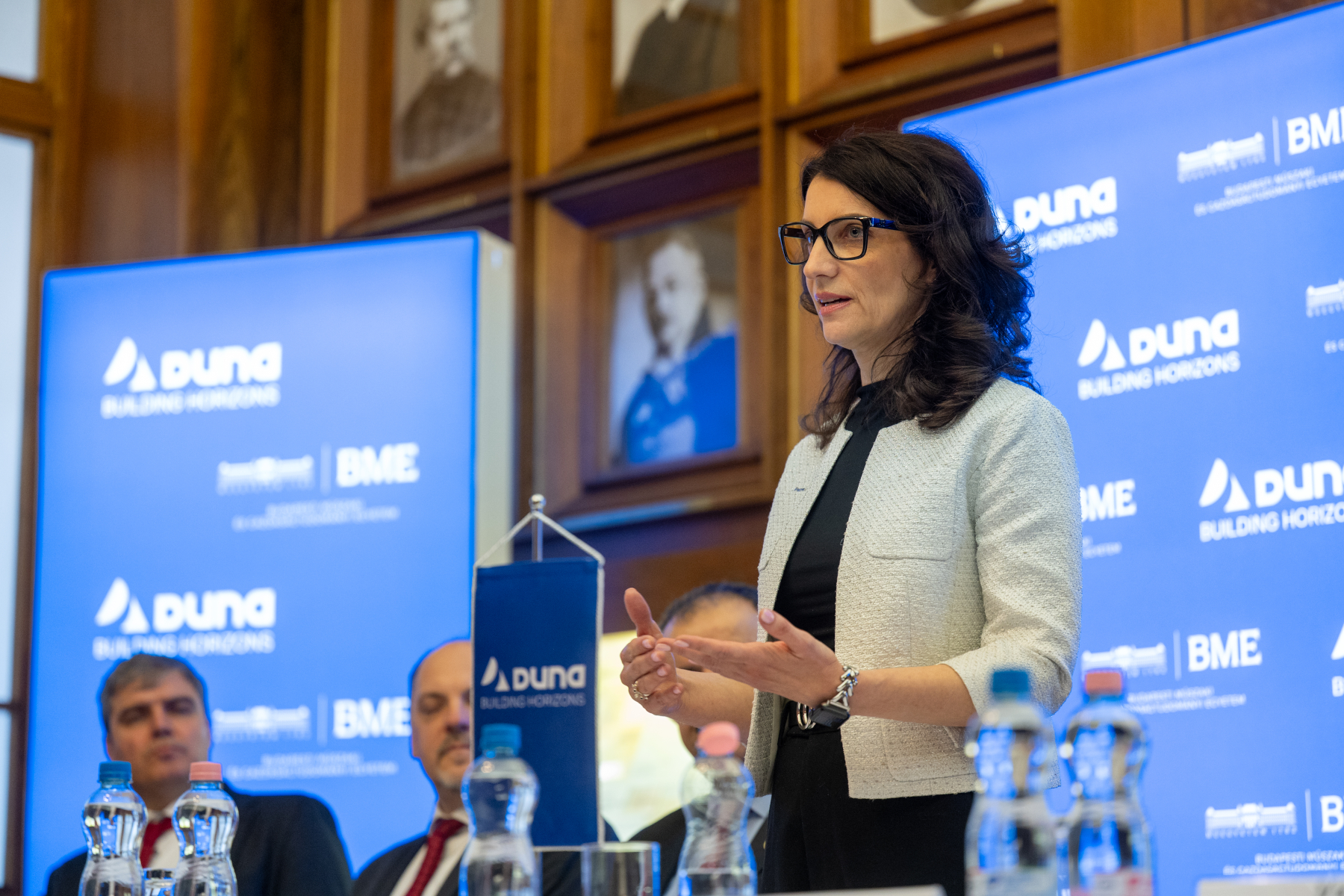
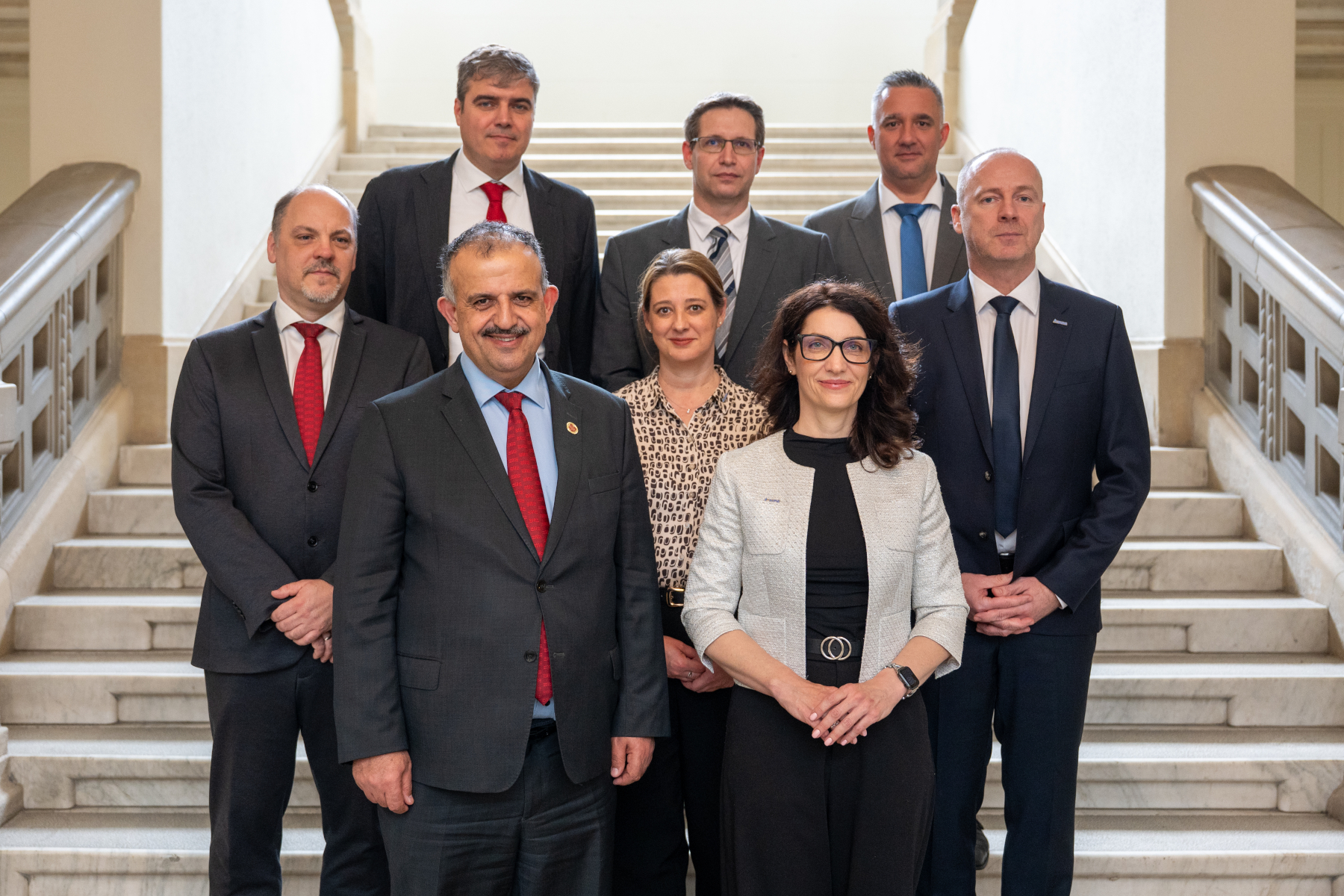
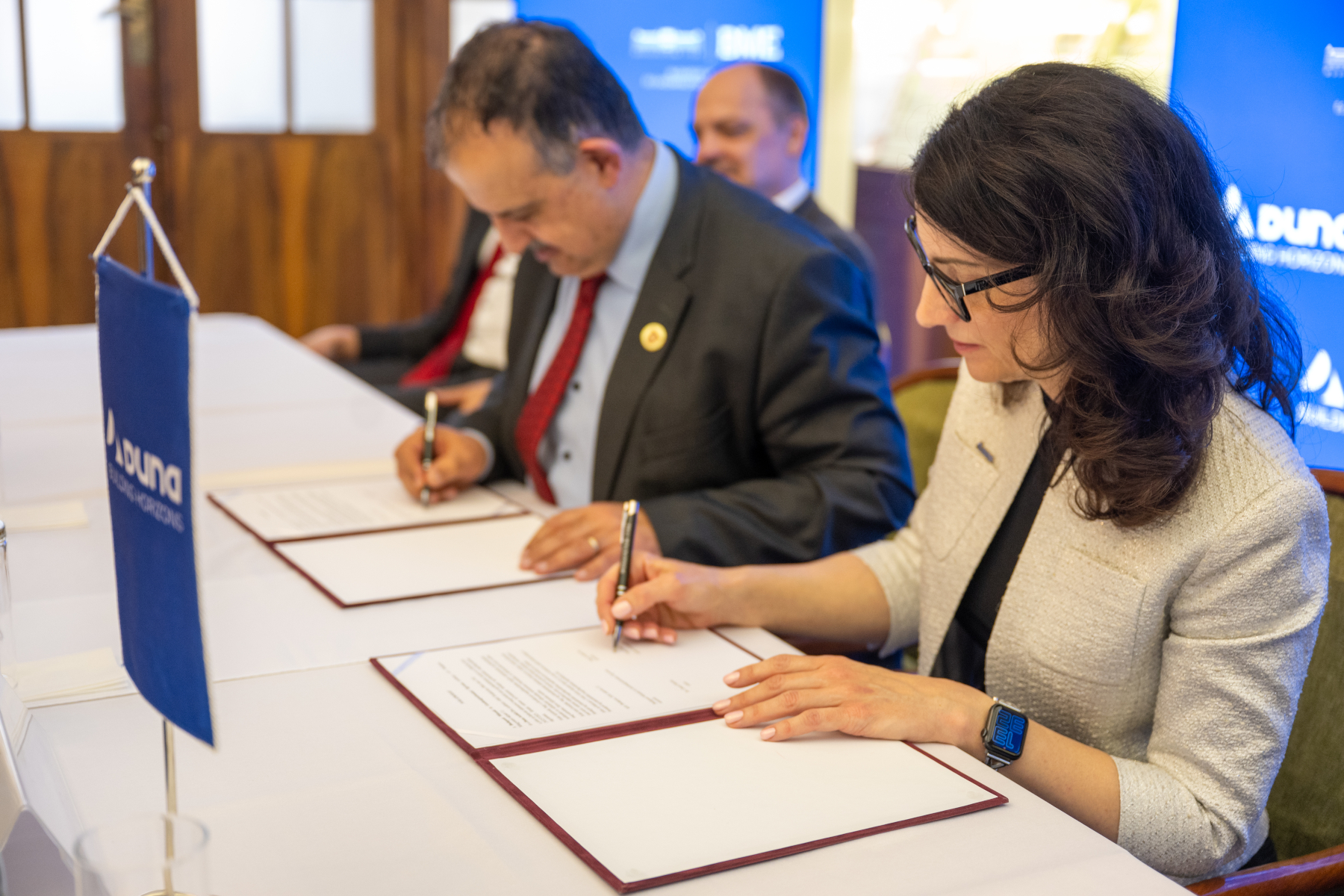
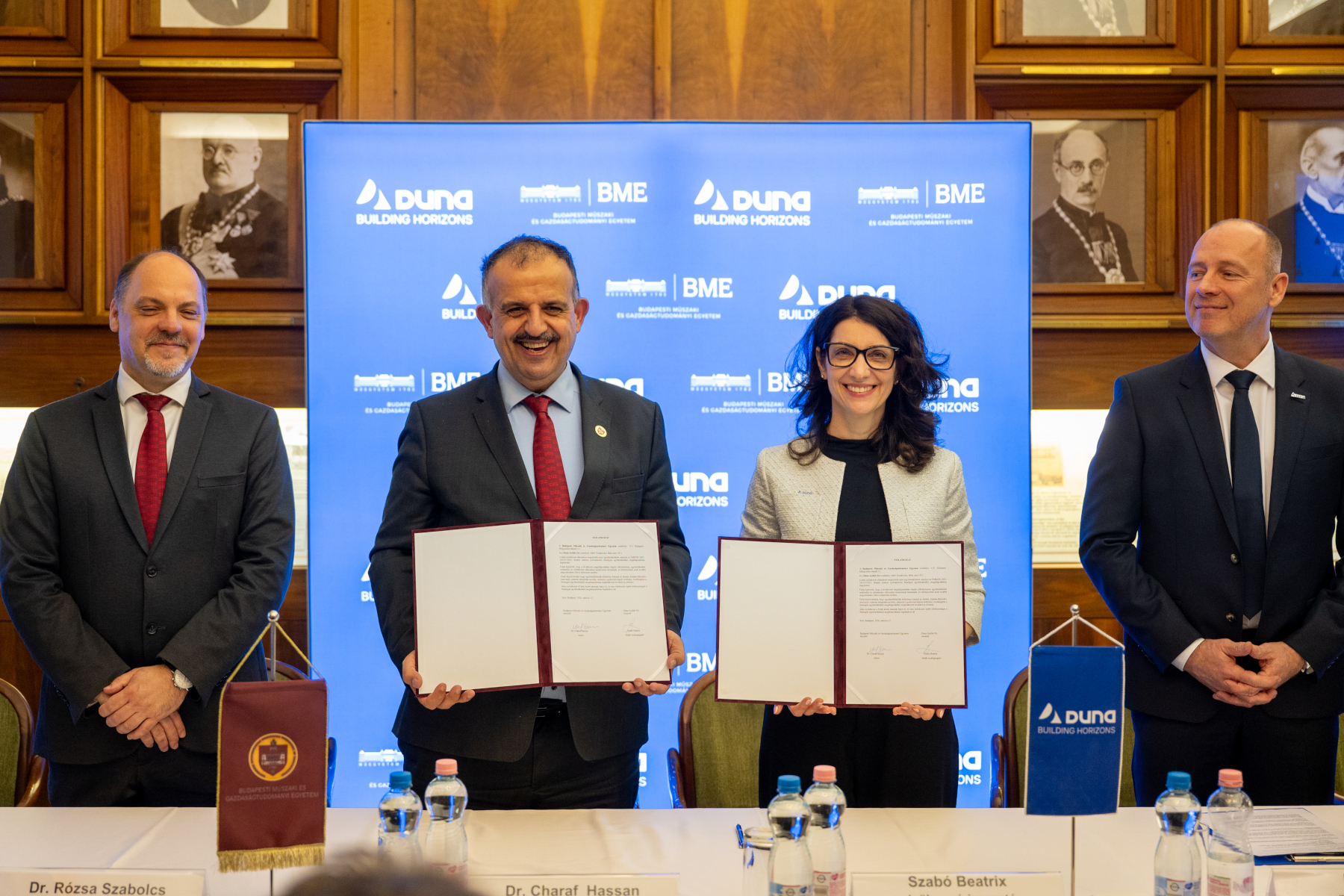
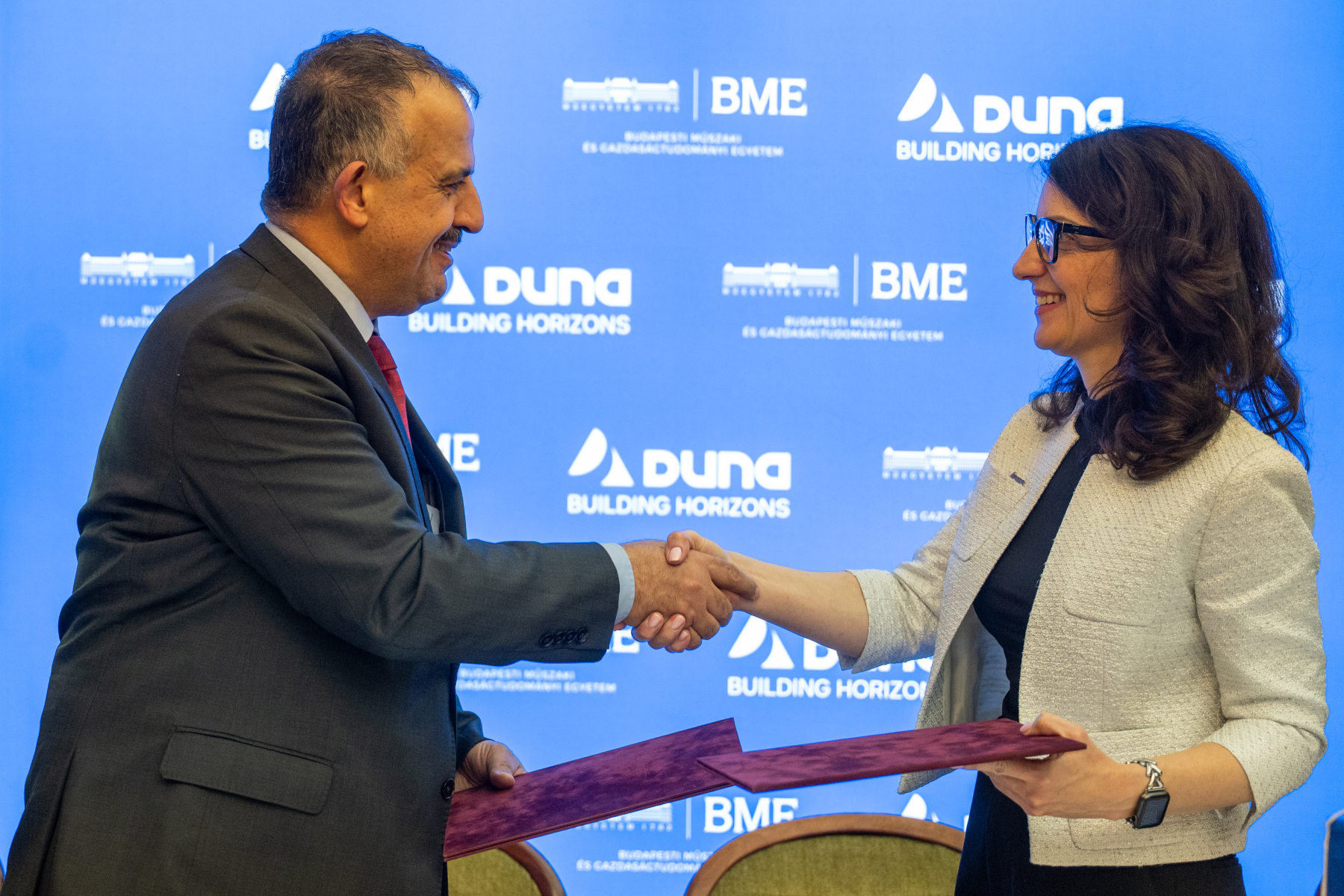
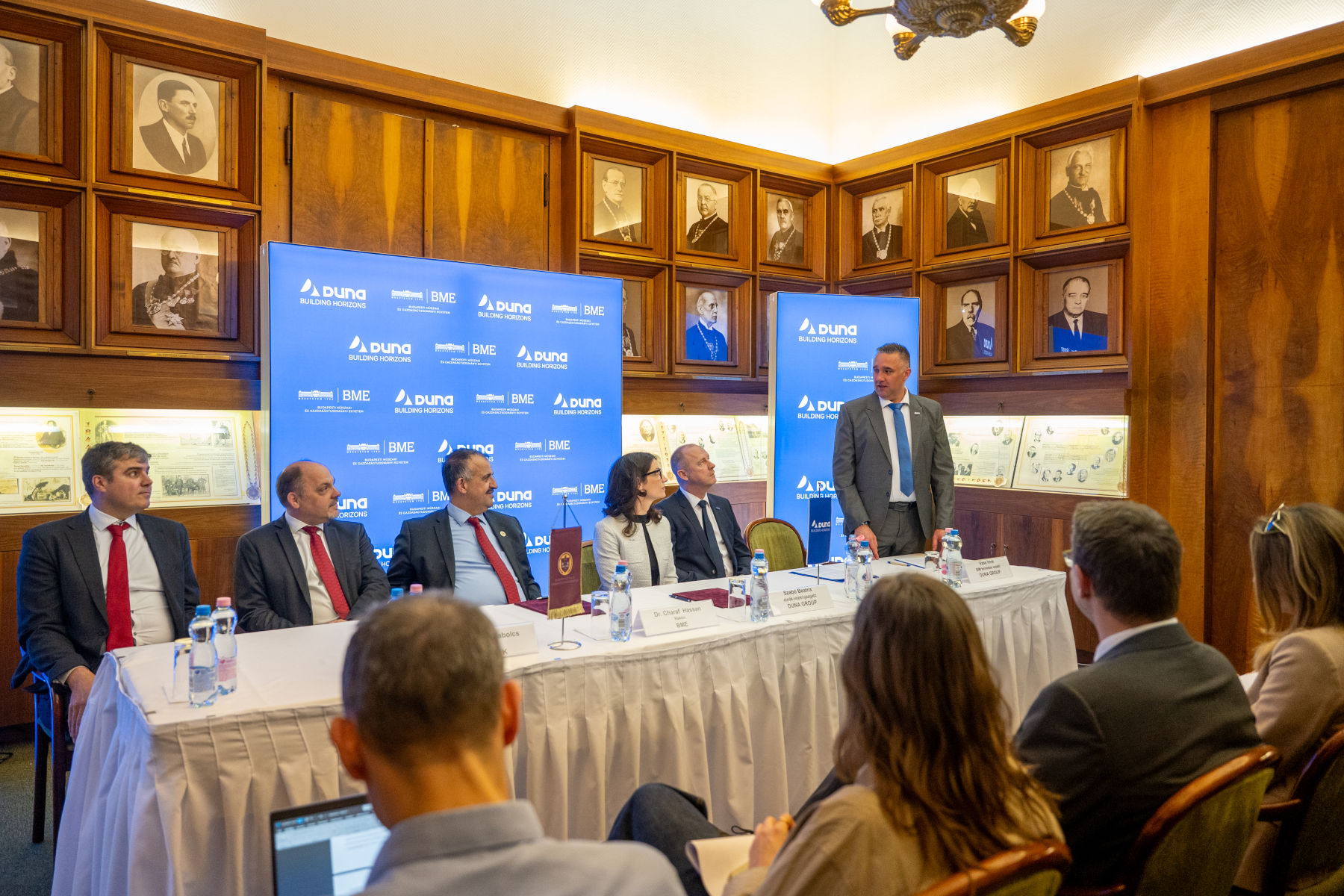
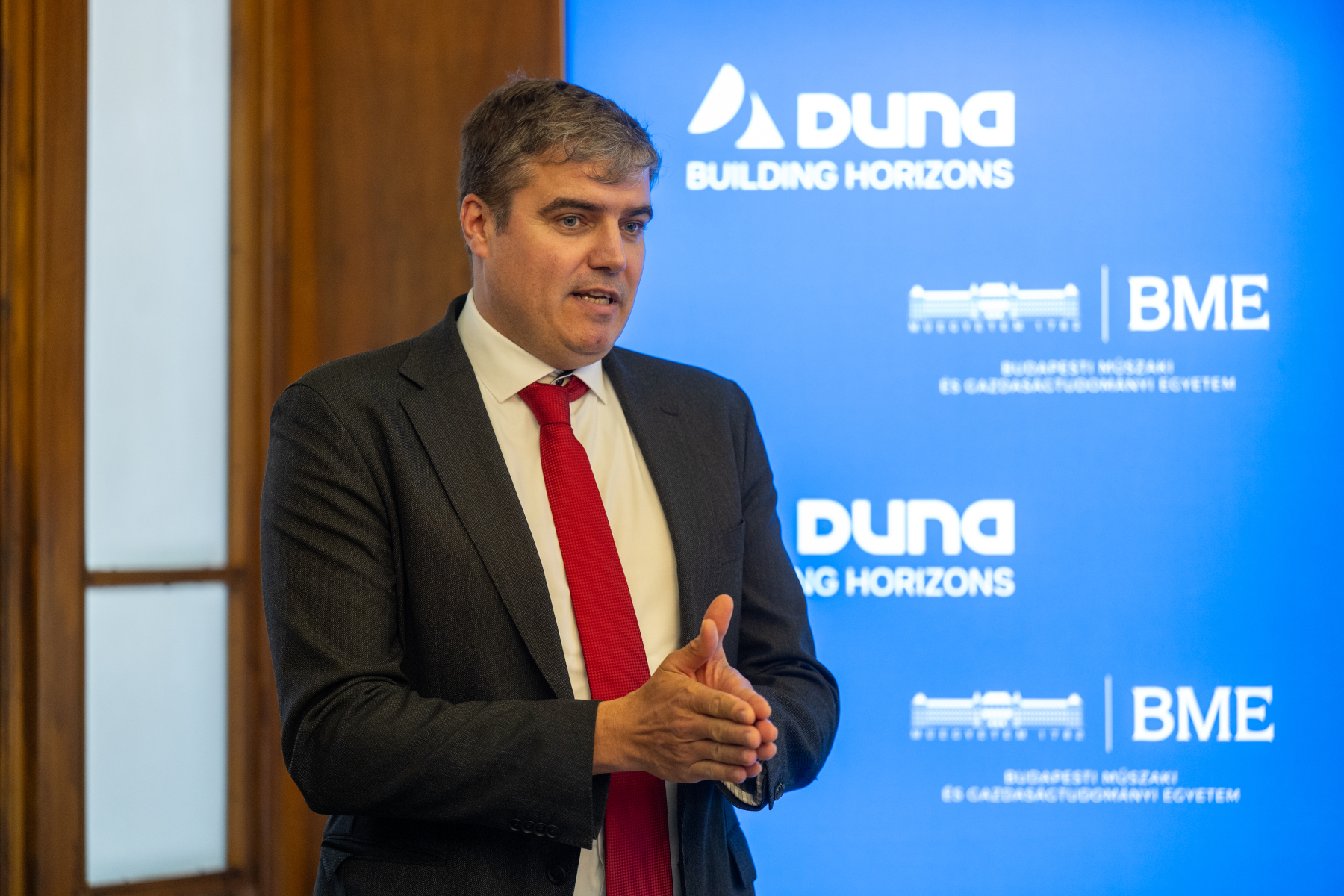
We have signed a strategic cooperation agreement with the Budapest University of Technology and Economics (BME), which takes the long-standing active professional relationship between the university and our company to a new level. Over the past few years, numerous professional collaborations and student projects have been carried out between the parties; the agreement just signed builds on these strong foundations and provides a long-term, predictable framework for future team effort.
As part of the partnership, our experts will become even more actively involved in the educational institution’s programs: they will give guest lectures and participate in professional consultations, and our company will also provide students with opportunities to take part in internship programs and project work.
Duna Group is committed to the engineers of the future. Our goal is to reach out to young people as early as the career choice phase, introduce them to the opportunities of an engineering career, and provide them with insight into the practical workings of the industry during their academic years. Through this, we aim to support conscious career development and the successful professional integration of young professionals.
“It is of paramount importance to us to play an active role in the professional development of the next generation of engineers. Our collaboration with BME provides an excellent opportunity to share the practical knowledge and experience we’ve gained in our daily work and to contribute to preparing the professionals of the future,” said Beatrix Szabó, Chairperson and CEO of Duna Aszfalt Zrt.
Charaf Hassan, Rector of the Budapest University of Technology and Economics, emphasized that truly sustainable collaborations between the academic and business sectors are built on mutually beneficial, so-called win-win foundations. He added that the university is also open to further strengthening educational collaborations, whether through guest lecturing or the development of joint doctoral student programs.
At the ceremonial signing of the agreement, several senior executives from Duna Aszfalt Zrt. spoke, including József Pál, Project Director, and Imre Vass, BIM Production Manager, who emphasized that cooperation with educational partners plays a key role in ensuring that students can apply the knowledge gained during their studies in real-world settings as well and establish connections with key industry players already during their academic years.
The goal of this newly formed strategic partnership is to implement even more joint professional programs in the future. Plans include broader student involvement in infrastructure projects, launching new research and development collaborations, and developing training and practical opportunities that link the knowledge gained at the university even more closely with industry experience.
The Duna Group participated for the third time as an exhibitor and sponsor in the Hungary–Africa Week program series. The multi-day event provided a professional platform centred on economic, educational, and healthcare topics to strengthen cooperation between Hungarian and African stakeholders and to establish new partnerships.
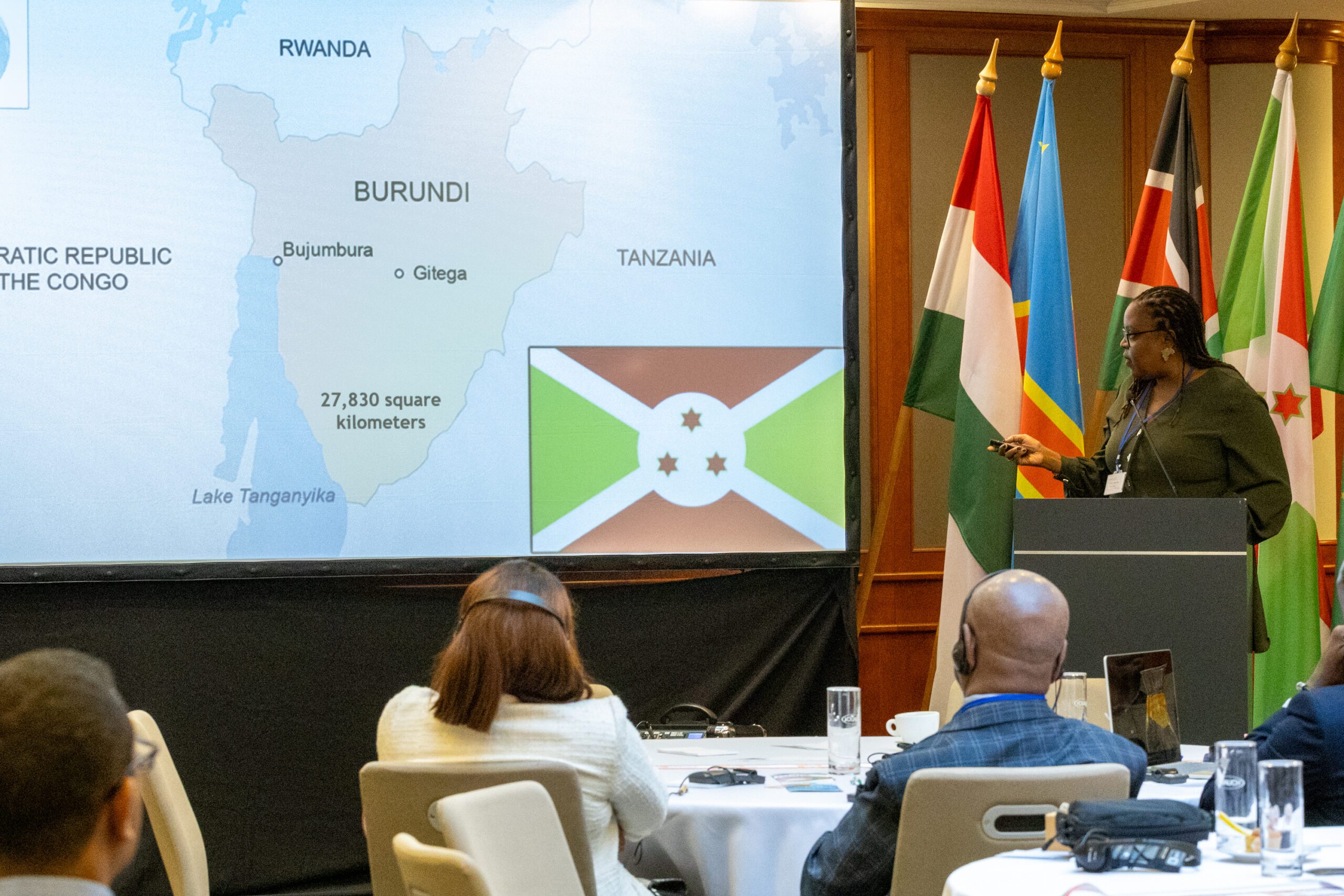
According to the organizers’ information, the event’s Economic Day clearly highlighted that there is a genuine need among Hungarian and African business actors for joint thinking and the development of project-based cooperation. The event took place with the participation of more than 100 active attendees.
Our international activities, specifically the GED Africa project, received special attention at the event. As a development implemented under a PPP structure, it is currently one of the most significant private infrastructure investments originating from Europe in Africa.
The Duna Group presented the megaproject both in a professional presentation and at its exhibition stand. The project generated significant interest among participants and initiated valuable professional dialogue regarding the region’s economic and infrastructure opportunities.
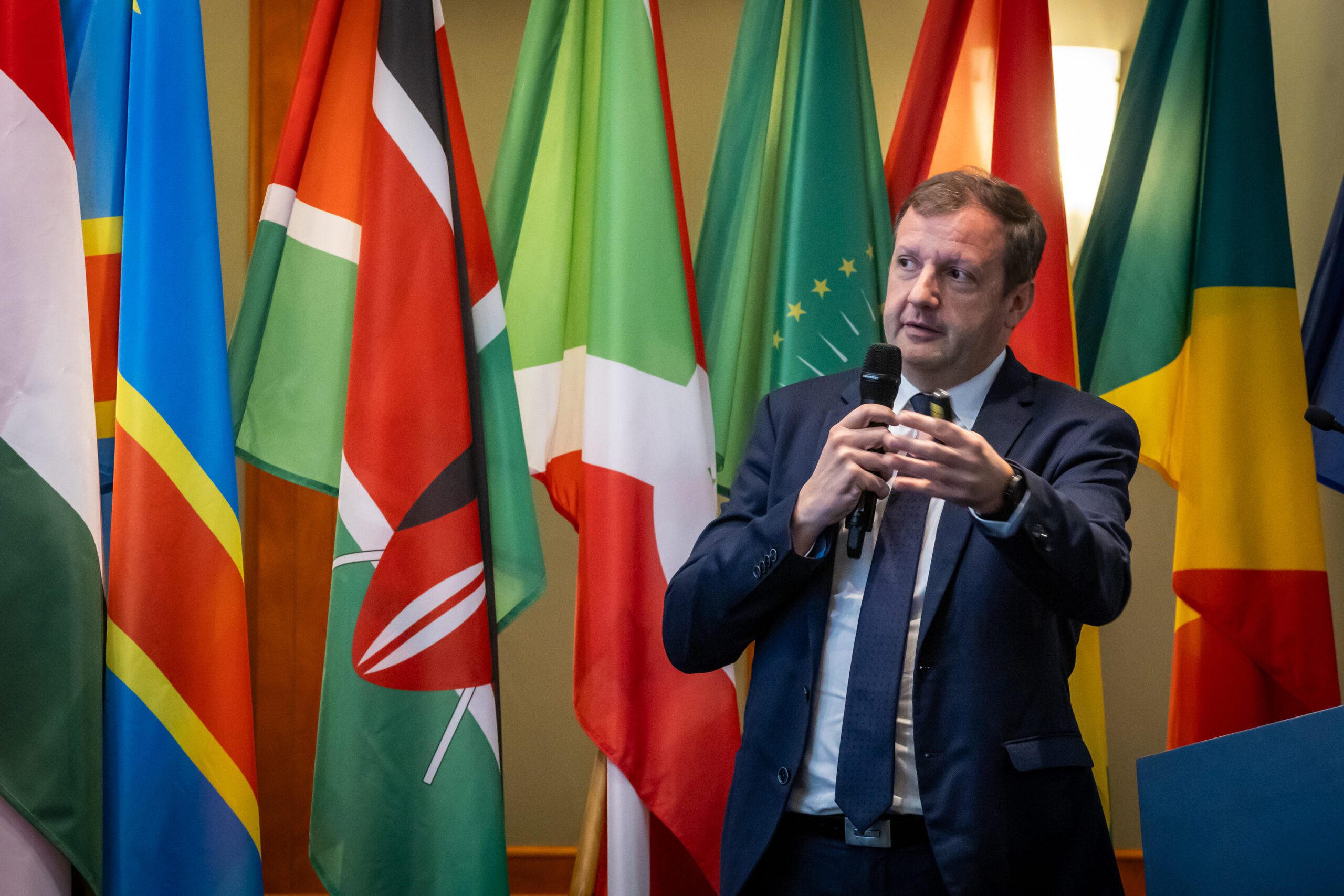
As part of the conference program, Tamás Jászberényi, Duna Group’s Director of Economic Coordination, delivered a presentation in which he detailed the GED Africa project’s results to date, its strategic directions, and future development opportunities.
Our participation further strengthened our international relationships and contributed to increasing our company’s professional presence and visibility in Africa.
For more information on Hungarian-African Week: hungaryafricaweek.hu

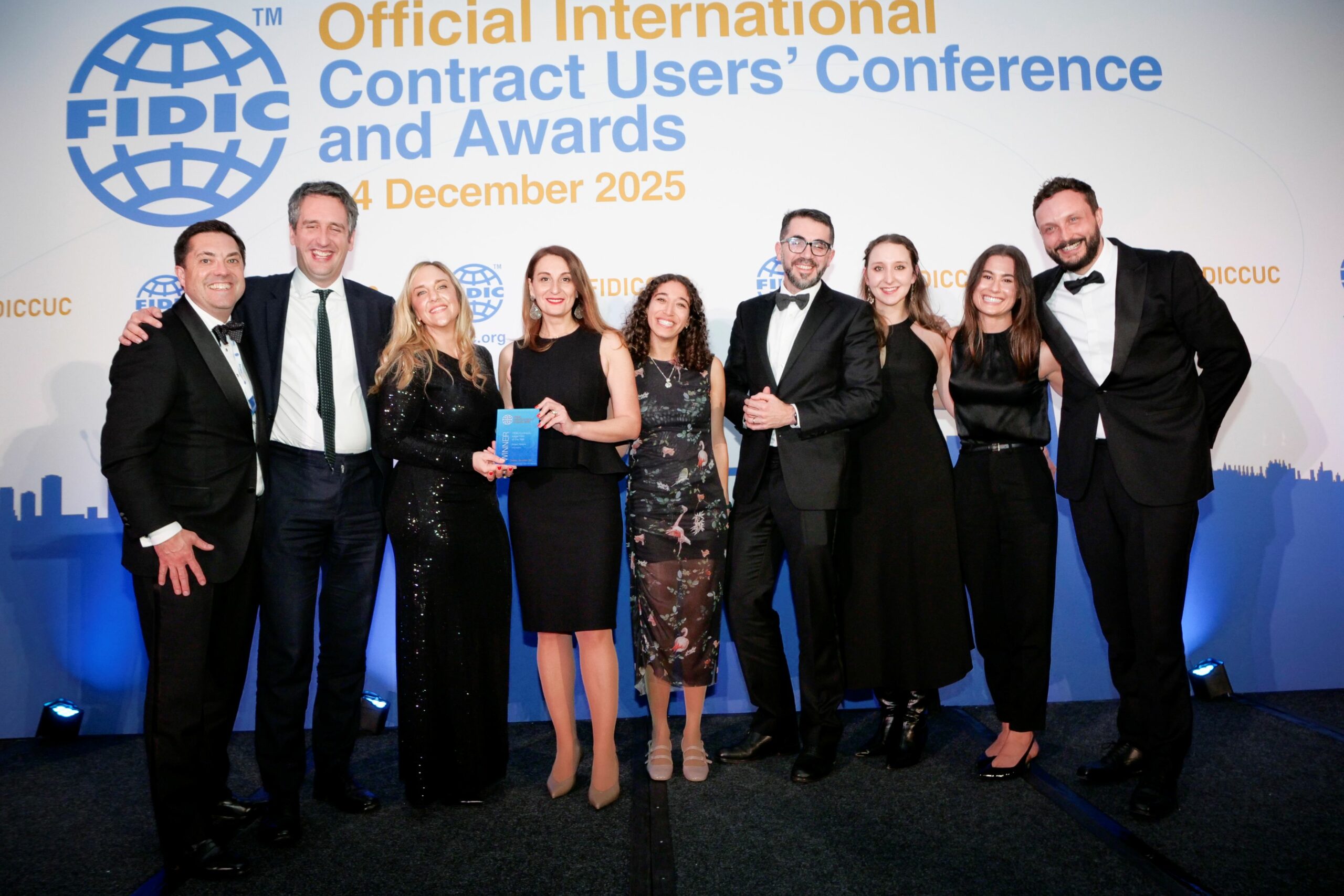
GED Africa won the "Client of the Year" award at the FIDIC 2025 International Gala, further confirming its leading role in world-class contractual and governance practices applied in African infrastructure development.
On December the 2nd 2025, London hosted the seventh FIDIC (International Federation of Consulting Engineers) Awards Gala. The purpose of this prestigious event is to shine a spotlight on projects, organizations, and professionals that demonstrate exemplary application of the FIDIC contractual framework in the implementation of complex infrastructure investments.
GED Africa: Setting the Benchmark in the African Infrastructure Environment
As the winner in the "Client of the Year" category, Duna Group's GED Africa project received recognition that clearly confirms the long-term, strategic approach of the megaproject. According to the jury's assessment, GED Africa, as an exemplary client, has contributed to ensuring that international best practices are not only guiding principles but also an integral part of everyday project implementation in African infrastructure development.
The jury particularly highlighted:
- the conscious, systematic embedding of FIDIC contracts and their spirit,
- the procurement philosophy that world-class infrastructure can only be achieved within a world-class contractual framework,
- the establishment of a collaborative, solution-oriented project culture among all parties involved.
This approach not only strengthened contractual clarity, but also contributed measurably to balanced risk management, efficient decision-making, and sustainable project implementation.
The Global Significance of the FIDIC Awards
The winners were selected by a jury chaired by international judge and arbitrator Sir Vivian Ramsey, which evaluated entries from around the world in five categories: Project of the Year, Client of the Year, Consultant of the Year, Educator of the Year, and Law Firm of the Year. In his video message, Sir Vivian Ramsey emphasized that FIDIC contracts serve to create fair, reasonable, and transparent conditions worldwide, which is why they enjoy the trust of leading clients and financiers, including multilateral development banks. The strength of the 2025 field clearly indicates that the awards have become a key event in the industry's global calendar.
Outstanding Projects and Professional Achievements
At the 2025 awards ceremony, the title of "Project of the Year" was won by the Gorno Badakhshan Autonomous Region (GBAO) road construction project in Tajikistan, which establishes a critical transport link in an extremely complex geographical environment. The Julius Nyerere hydroelectric power plant project in Tanzania also received special praise.
Other award winners at the event included:
as well as several international experts and organisations whose work contributes to the global dissemination of FIDIC contractual culture.
Sustainability and Forward-Looking Thinking
During the gala, Adriana Spassova (EQE Control, Bulgaria) received special recognition for her role in developing the new FIDIC Carbon Management Guide. The guide provides a comprehensive framework for managing greenhouse gas emissions in construction projects, emphasizing the importance of active carbon management throughout the entire project lifecycle. Susanna Zammataro, CEO of FIDIC, emphasized that quality, sustainability and integrity are core values that are essential for creating a globally sustainable and competitive infrastructure in the long term.
GED Africa as a Strategic Compass
The award given to GED Africa sends a clear message to the international market: in African infrastructure development, a professional client attitude, transparent contractual structures and collaborative project management are not only expectations but also competitive advantages.
The title of "Client of the Year" is therefore not only a recognition, but also a strategic confirmation that the approach represented by GED Africa ensures long-term sustainable value creation –both in Africa and beyond.
About the GED Africa Project
One of the region's most valuable infrastructure developments is taking place in the heart of Africa with capital investment and professional management from the Duna Group. This GED Africa megaproject is the company's largest foreign investment. This PPP project is currently Africa's largest single private infrastructure investment from Europe, with Duna Aszfalt Zrt. as its professional and investment partner.
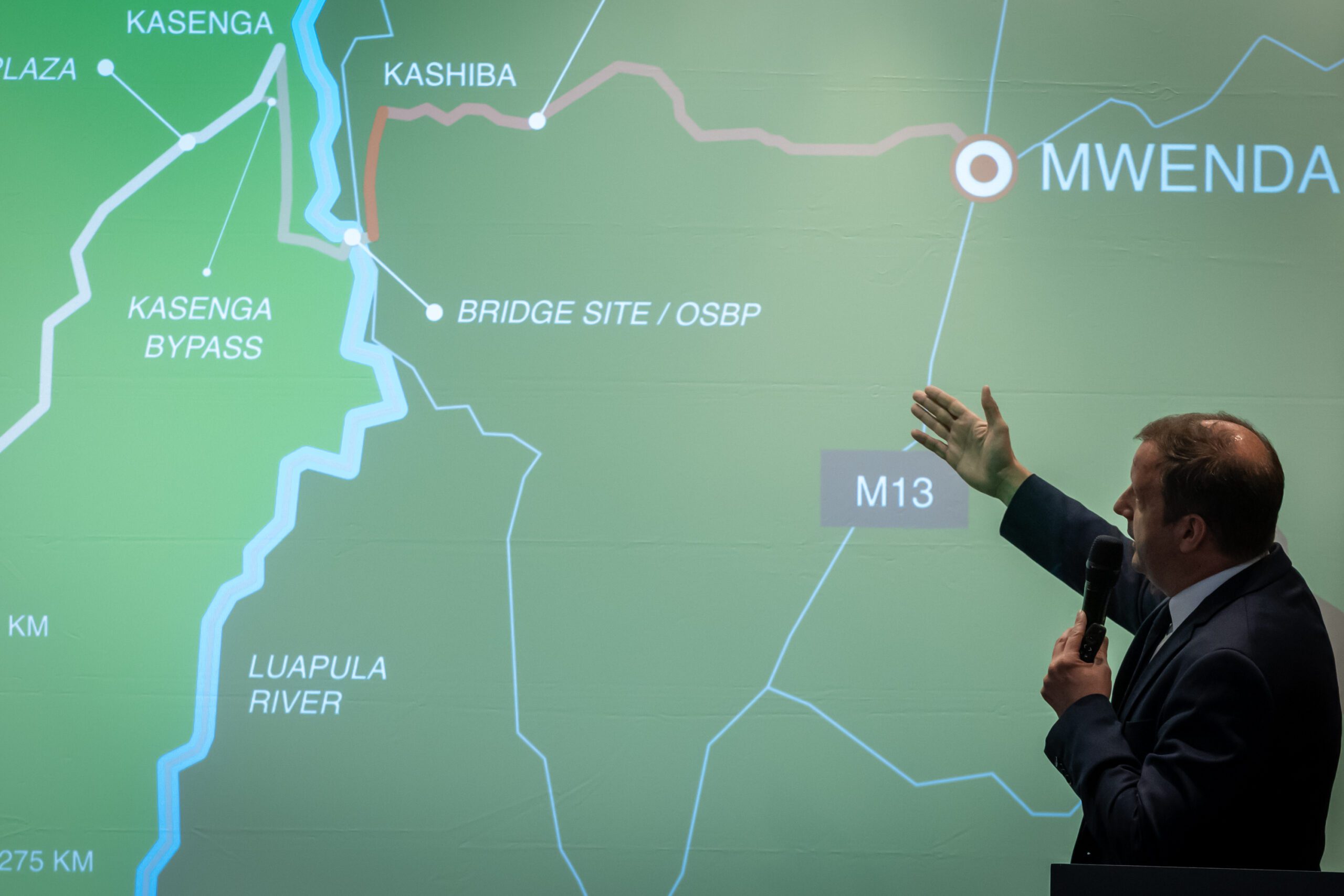
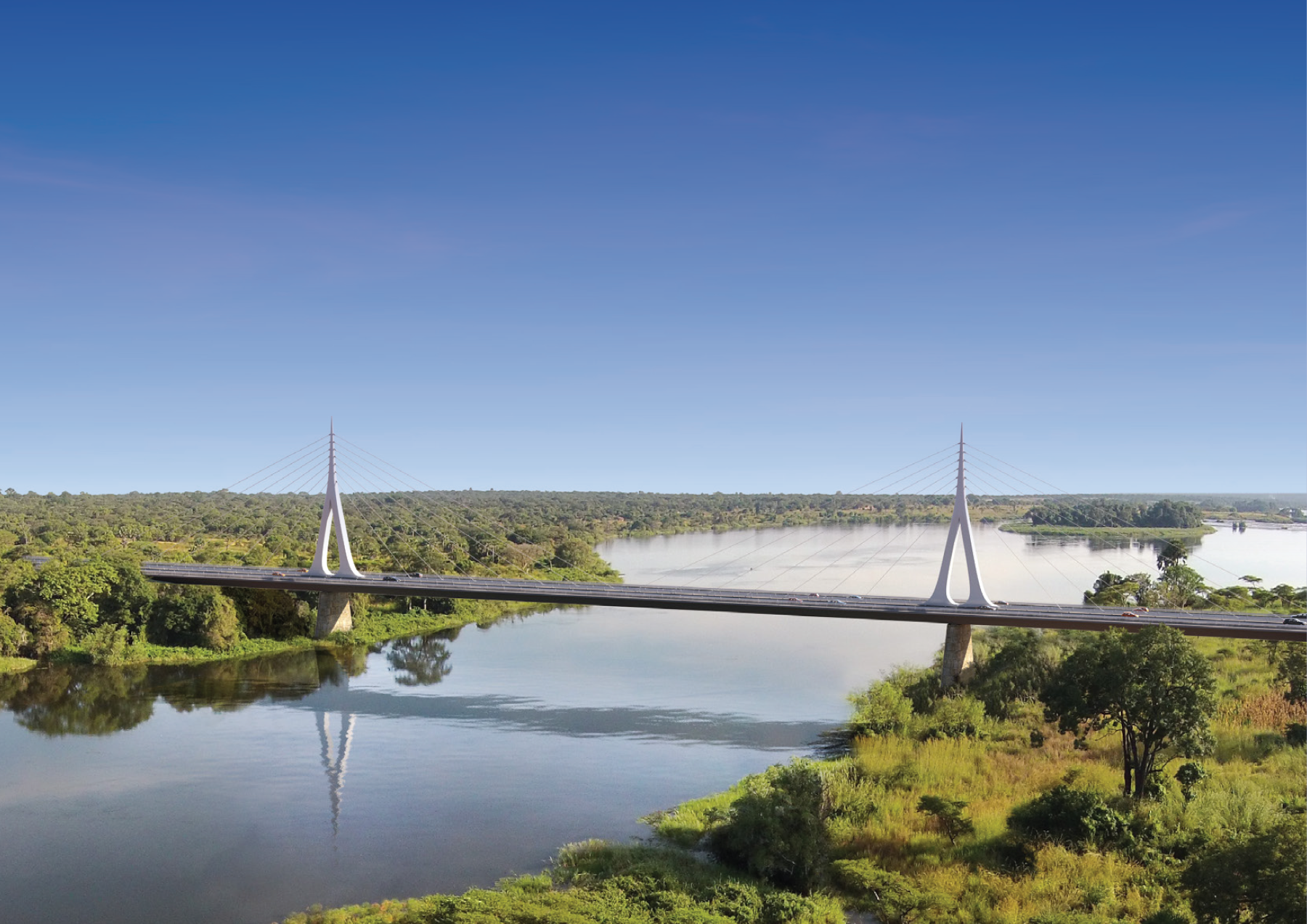
The road, known as the Ged Africa Route and KMTR (Kasomeno-Mwenda Toll Road), will connect Kasomeno in the southern part of the Democratic Republic of Congo with Mwenda in Zambia.
The investment involves the modernization, construction, and enlargement of a 184-kilometer highway. The new road will also cross a new 362-meter cable-stayed bridge and reduce the round trip for commercial transporters from the mining area in Haut-Katanga province to port Dar es Salaam, Tanzania, by approximately 500 kilometers.
This is the Duna Group's largest investment abroad, and the construction will be carried out by local and international contractors.
Source: https://www.fidic.org/node/46429
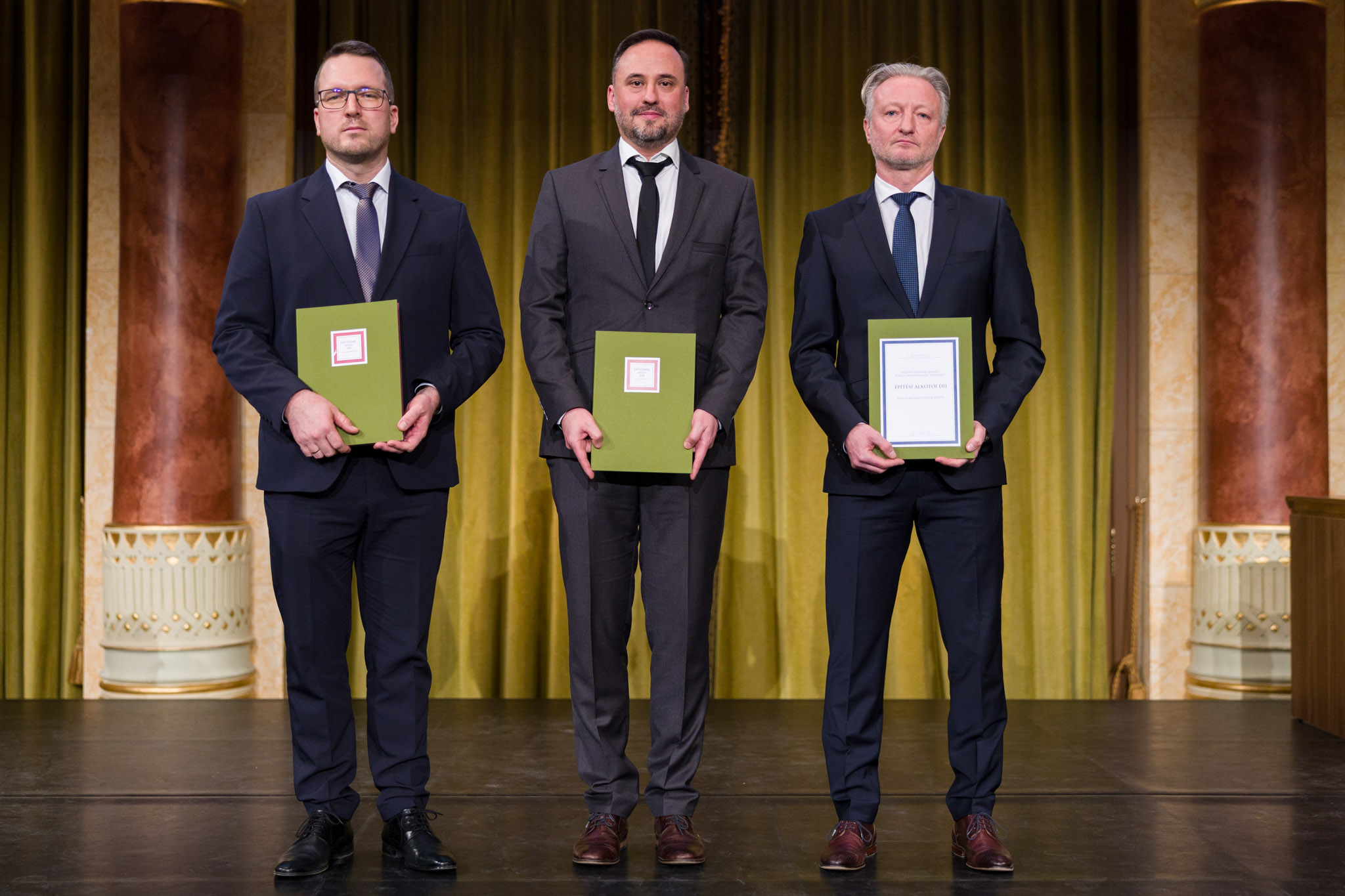
At the ÉVOSZ (National Federation of Hungarian Building Contractors) End-of-Year Gala 2025, two of our outstanding projects received distinguished recognition: the Tomori Pál Bridge won the Construction Industry Excellence Award, while the Sopron Tunnel received a Certificate of Recognition. In addition, Attila Kerékgyártó, technical manager of the M85 project, was honoured with the Construction Creator Award.
The Tomori Pál Bridge, located between Paks and Kalocsa, received the Construction Industry Excellence Award in the transportation infrastructure category as the “youngest” bridge spanning the Danube. This structure represents the longest bridge in the history of the Duna Group and is the first extradosed bridge constructed over the Danube in Hungary. The extradosed structural system enables an elegant, long-span bridge design through efficient material use, while simultaneously posing complex challenges in both design and construction.
As part of this large-scale investment, a 2×1-lane bridge with a total length of 946.2 metres—including the floodplain sections—and supported by ten piers was completed, along with 25 kilometres of new roadway, over a construction period of three and a half years.
The project is considered pioneering due to its scale, the technologies applied, and the environmental protection solutions implemented. The construction of the bridge involved exceptional engineering and organisational challenges, its complexity being further intensified by the narrow floodplains, Natura 2000 protected areas, and the presence of the Danube.
The 2×2-lane Bécsi Hill Tunnel, completed on the final section of the M85 motorway, opened to traffic in December 2024 and received a Certificate of Recognition in the infrastructural edifice category. From the perspective of domestic tunnel construction, the project was particularly special as well, as the regulatory environment had not yet been fully established then.
Therefore, during the construction of the 780-metre twin tunnel, continuous coordination was required with specialized authorities, disaster protection, and other relevant organizations in order to develop a system that would be optimal for all parties involved. The experience gained through this process will, in the long term, contribute to improving the efficiency of planning and construction for future tunnel projects in Hungary.
As a result of the project’s success, Attila Kerékgyártó, technical manager of the investment, was awarded the Construction Creator Award by the Hungarian Chamber of Engineers. This distinction represents not only an individual professional achievement but also collective recognition of the dedicated work of the entire project team, serving as prestigious professional feedback of the project’s significance and high technical value.
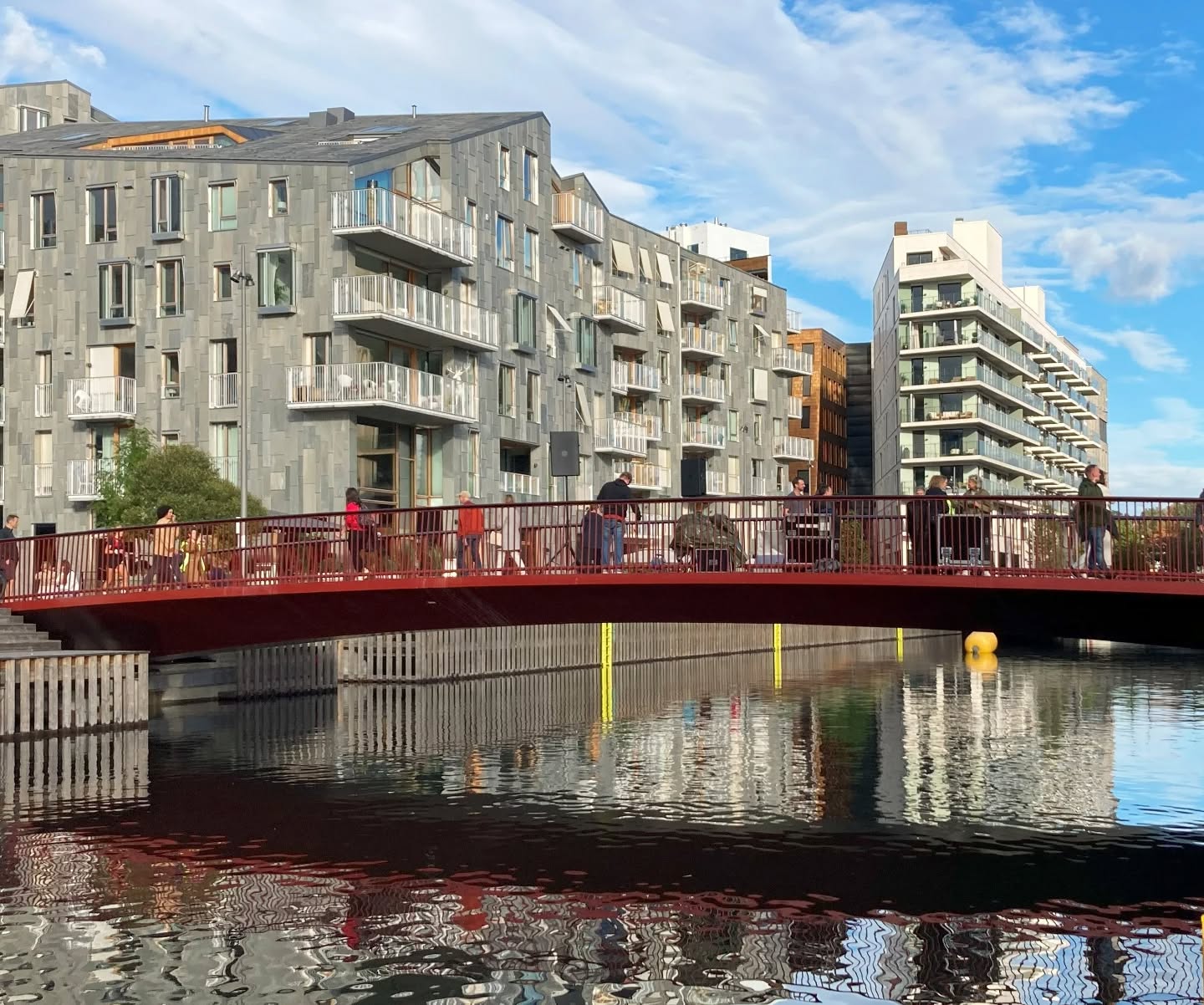
The execution of the Grunningen pedestrian bridge clearly demonstrates the Duna Group’s ability to deliver consistent quality and innovative engineering solutions while meeting the differing technical, environmental and regulatory requirements of multiple countries. The pedestrian and cycle bridge, constructed in the city centre of the Norwegian capital, was realised with the key involvement of WKS Duna Polska, the Duna Group’s manufacturing subsidiary in Poland. From design through fabrication to on-site installation, the project was delivered as a high value-added, export-oriented undertaking.
The uniquely shaped steel structure, weighing nearly 60 tonnes, was fabricated as a single unit at the Będzin plant and, following approximately 1,500 kilometres of combined land and sea transport, arrived in Oslo. The complexity of the project – ranging from non-standard fabrication solutions and compliance with strict Norwegian corrosion protection requirements to specialised logistics and lifting operations – clearly reflects the Duna Group’s international engineering expertise and integrated project management approach.
The Grunningen pedestrian bridge is a combined pedestrian and cycle bridge connecting the northern and southern parts of the Vannkunsten district in central Oslo. The steel bridge structure was constructed in one piece as a single transported element, weighing nearly 60 tonnes and measuring 28 metres in length, 6.5 metres in width and 2 metres in height. The completed bridge structure travelled approximately 1,500 km by land and sea from the WKS Duna Polska plant in Będzin to the Norwegian capital.
The construction of the pedestrian bridge required precise engineering, detailed technological preparation and the implementation of numerous non-standard solutions. These arose from the structure’s unique character, complex geometry, Norwegian corrosion protection regulations and transportation constraints.
One of the first challenges for the WKS Duna Polska team was the accurate fabrication and fitting of the individual components and structural elements, particularly due to their curved, arched and drop-shaped forms. Cutting the components from the base material and designing allowances for welding shrinkage required a high degree of precision. During fabrication, numerous templates were used by experts to ensure that the correct geometry of the structure was maintained. The bridge features a closed steel box girder with a curved deck plate, a curved bottom flange with variable radius and width, and a slender inclined web integrated with these elements.
A specific design solution involved the use of 50 mm thermal insulation beneath the orthotropic deck plate (floor slab). Its purpose is to increase the efficiency of the electric heating system installed in the deck, which is intended to prevent icing of the pedestrian bridge.
Due to the dimensions of the finished element and the stringent requirements of Norwegian technical specifications, the corrosion protection process was more complex than under Central European standards. Following abrasive blasting, the primer layer was applied by metal spraying. The application of the corrosion protection coating layers was carried out with increased attention and continuous technical supervision. The entire structure was ultimately finished with a superb red coating in RAL 3009.
The project also included the steel guard rails. To harmonise with the bridge’s curved geometry, the vertical rail bars were designed in a wave-like pattern, resulting in virtually no two identical elements. The outcome is a distinctive visual appearance that integrates well with the form of the bridge. The rails were hot-dip galvanised and subsequently protected with a powder-coated finish.
During transportation to the site, the 60-tonne element, supported at two points spaced 27 metres apart, required special support structures as well. These were fabricated from beams measuring 250 × 200 mm, each 3 metres in length, and were designed to significantly reduce concentrated loads and distribute them evenly across both the axles of the transport trailer and the deck of the vessel.
Despite the numerous technological and logistical challenges, the Grunningen pedestrian bridge successfully arrived on site from the Polish manufacturing plant, where a 400-tonne floating crane lifted it into its final position in a single operation. Bravo.
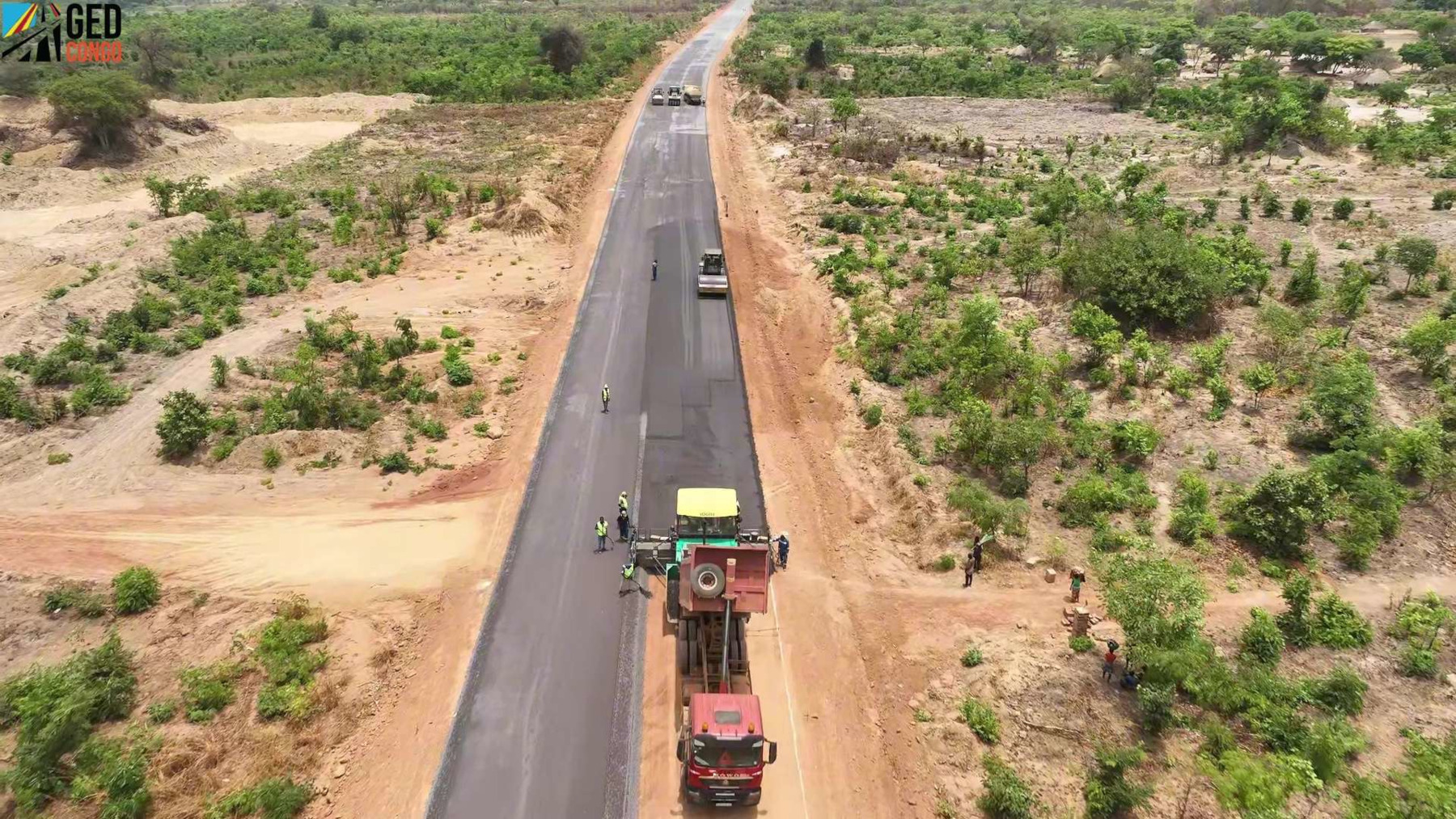
Duna Aszfalt Zrt. is participating as a professional and investment partner in the region’s highest-value, private infrastructure development coming from Europe. The company’s international activities continue to grow, highlighted by GED Africa Limited (GED Africa), its flagship PPP project company. The highly skilled, international experts’ team of GED Africa is working on a project of global economic importance: the construction of a new 184-kilometre road, along with a 362-metre, Hungarian-designed border bridge and modern border facilities, located across the Democratic Republic of the Congo and the Republic of Zambia. The bridge is being designed by the Hungarian company Speciálterv Építőmérnöki Kft.
Now this African megaproject can advance at full speed: new financial resources have been opened, giving the project new momentum. Work continues further under Hungarian professional expertise, with Duna Aszfalt’s professional investment and supervision.
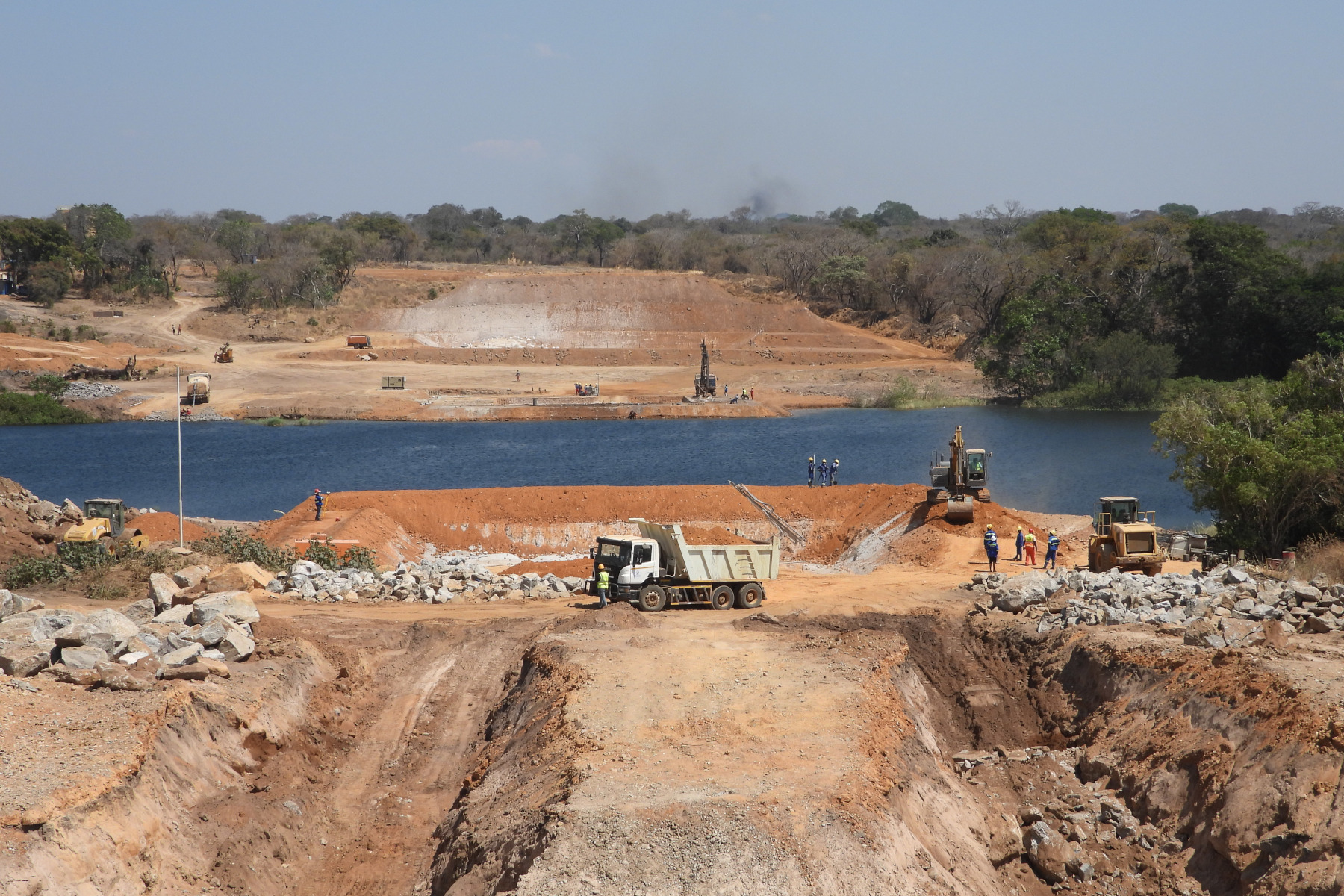
After more than five years of project development and preparation work, construction began in spring 2025 using the company’s own resources—and significant progress has already been made. According to the plans, the entire infrastructure will be completed by the second quarter of 2027, establishing a new corridor of major importance for global trade on the border between the two African countries. Thanks to this project, Duna Group is set to become a global player in the infrastructure development market.
Hungarian specialists are continuously present at the African project site, and as an interesting tribute to our homeland, Hungary, the camps of those working on construction and operations—located on opposite sides of the project-affected section of the Luapula River—have been named after the Hungarian capital: Camp Buda on the western side and Camp Pest on the eastern side.
More information:
In the heart of Africa, one of the region’s most significant infrastructure developments is being realised with the capital investment and professional guiding of Duna Group. This is the GED Africa megaproject — the company’s largest foreign investment. As a PPP project, it is currently Africa’s largest unique private infrastructure development financed from Europe, with Duna Aszfalt Zrt. serving as both the professional and investment partner.
The road, known as the Ged Africa Route, will connect Kasomeno in the southern part of the Democratic Republic of the Congo with Mwendas in Zambia. The 184-kilometre motorroad project includes the construction of a 362-metre cable-stayed border bridge. This is Duna Group’s largest project abroad, carried out by a combination of international and local contractors.
The investment involves the upgrading, construction and expansion of a 184-kilometre motorroad. The new route will cross a newly built 345-metre bridge and will reduce round-trip distances for commercial transport by approximately 500 kilometers between the mining areas of Haut-Katanga Province and the Port of Dar es Salaam in Tanzania.
The road will have enormous significance in the region, as it shortens the transport route for globally considerable copper, cobalt and coltan extracted from local mines to Dar es Salaam, a major port in Tanzania on the Indian Ocean. Thanks to the GED Africa project, vehicles transporting these valuable materials — widely used, among others, in IT equipment — will no longer need to take a detour of several hundred kilometres or wait at the border for days. This will greatly reduce transport times and associated costs.
GED Africa is a 25-year PPP concession built through private investment, consisting of a three-year construction phase followed by 22 years of operation and maintenance of the completed infrastructure.

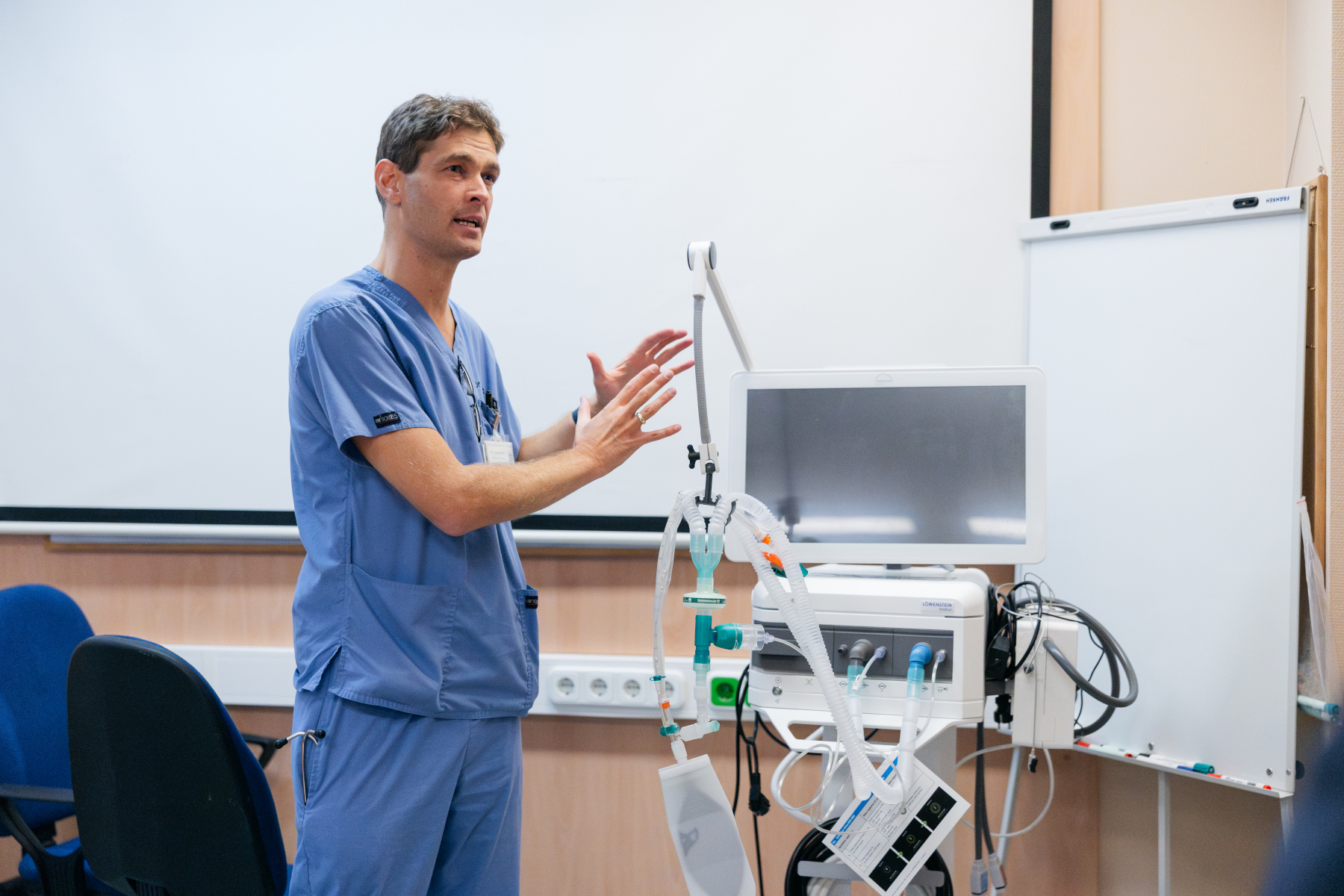
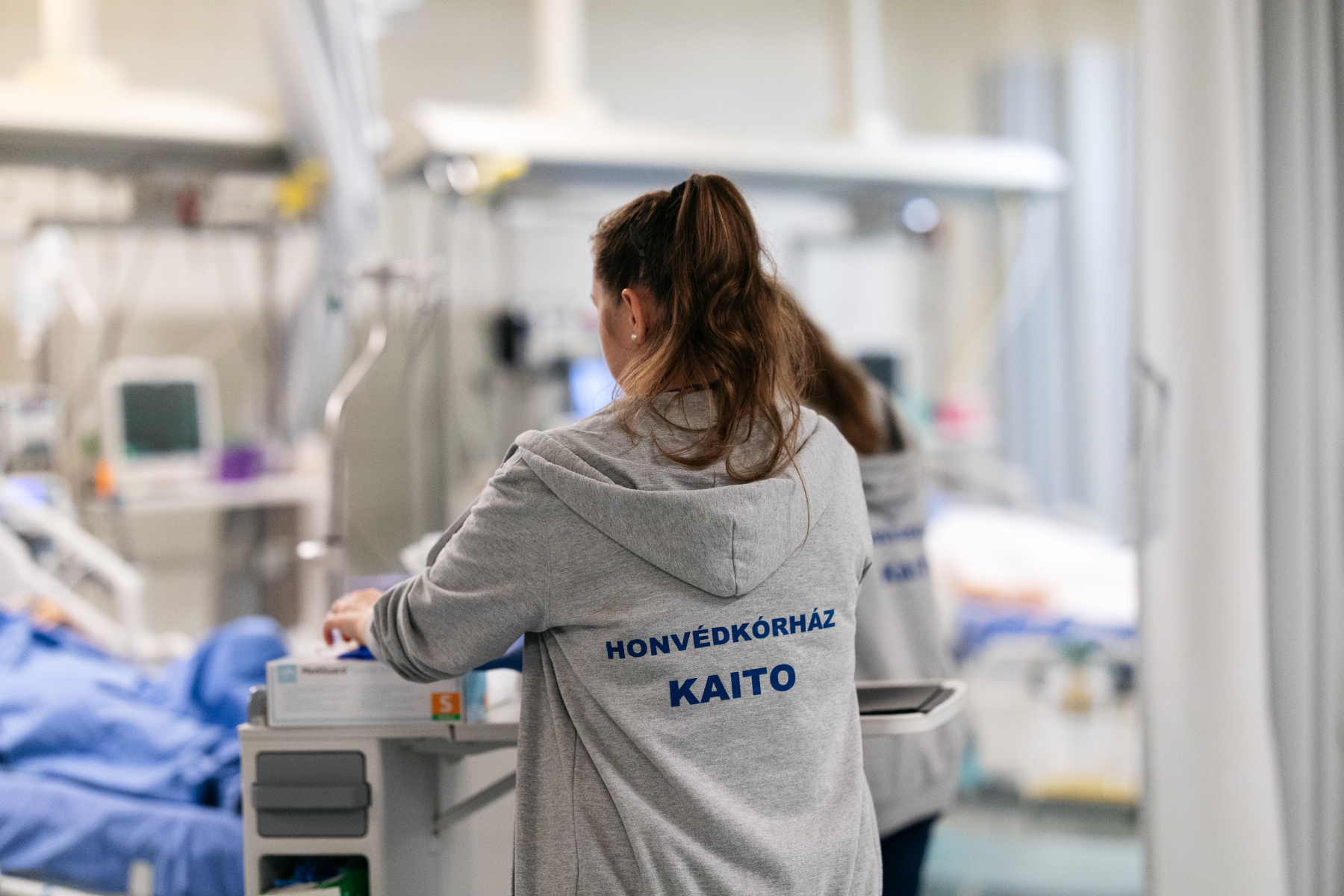
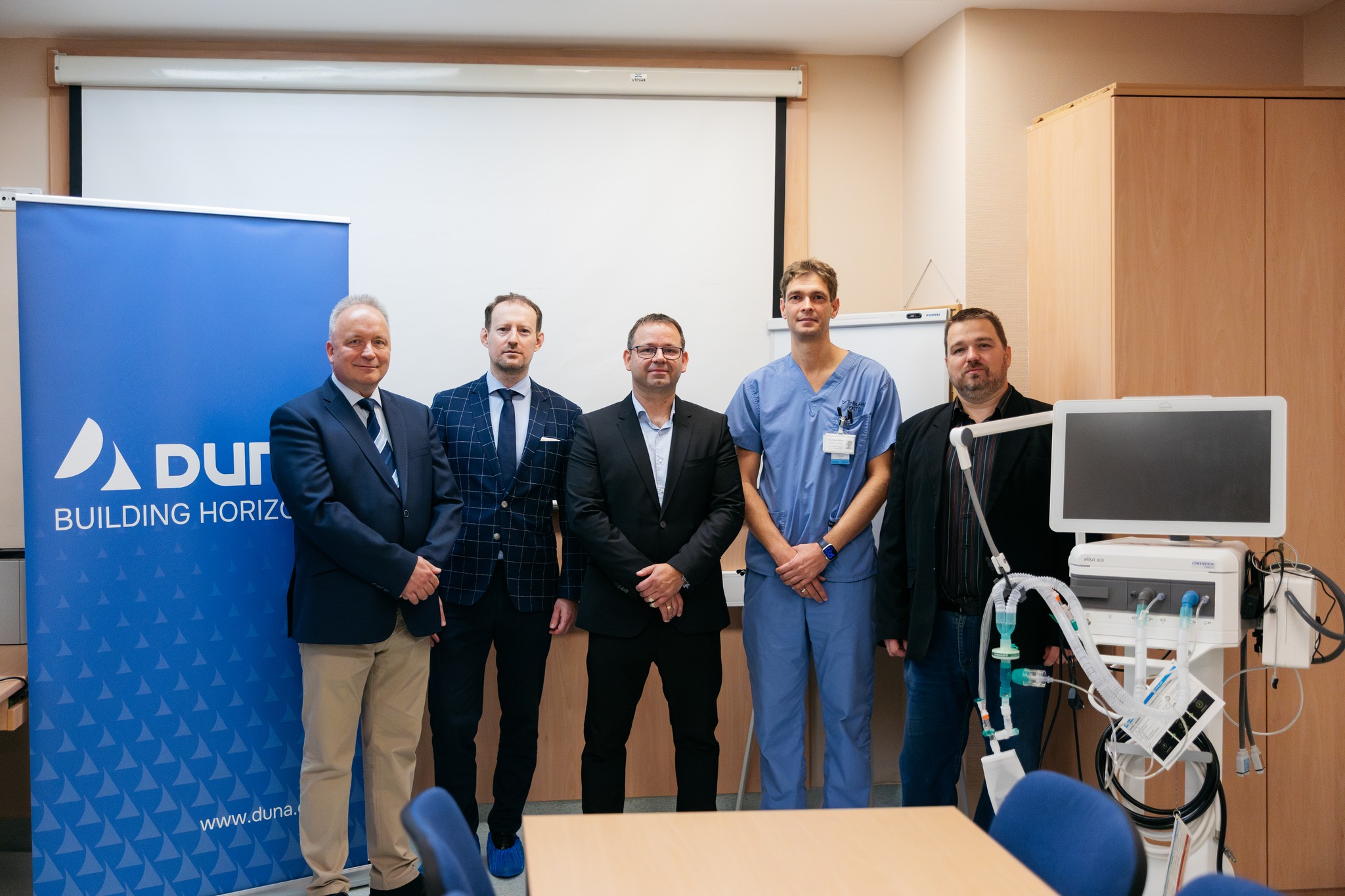
The Duna Group has reached another milestone in its corporate social responsibility efforts: Duna Aszfalt Zrt. and the Duna Bonum Foundation have donated three high-value medical devices to the Central Department of Anaesthesiology and Intensive Care of the North Pest Central Hospital. On October the 8th, representatives of the infrastructure construction company and the foundation formally presented the instruments in person at the Budapest hospital and visited the department as well, where the equipment has already been put into operation.
The transesophageal ultrasound probe enables physicians to obtain extremely detailed images of the heart from the inside, even in cases where conventional ultrasound scanner cannot produce an adequate image or allow for a proper diagnosis. Upon arrival, the device immediately enabled a life-saving diagnosis in the case of a critically ill patient—clearly demonstrating the importance of this support.
The hospital also received a ventilator of which only one unit currently exists in Hungary. The machine is capable of performing pressure and thoracic resistance measurements, and with the help of an integrated software system, it allows for highly personalized treatment of patients in the most critical condition.
The third device, a radiofrequency ablator, eliminates chronic pain originating from sensory nerves near the spine through targeted thermal effects. This innovative technology opens new horizons in pain relief.
The Duna Group is proud to contribute to the enhancement of healthcare services standard through this donation, enabling the specialists of the North Pest Central Hospital to help even more patients with the support of these new medical devices.
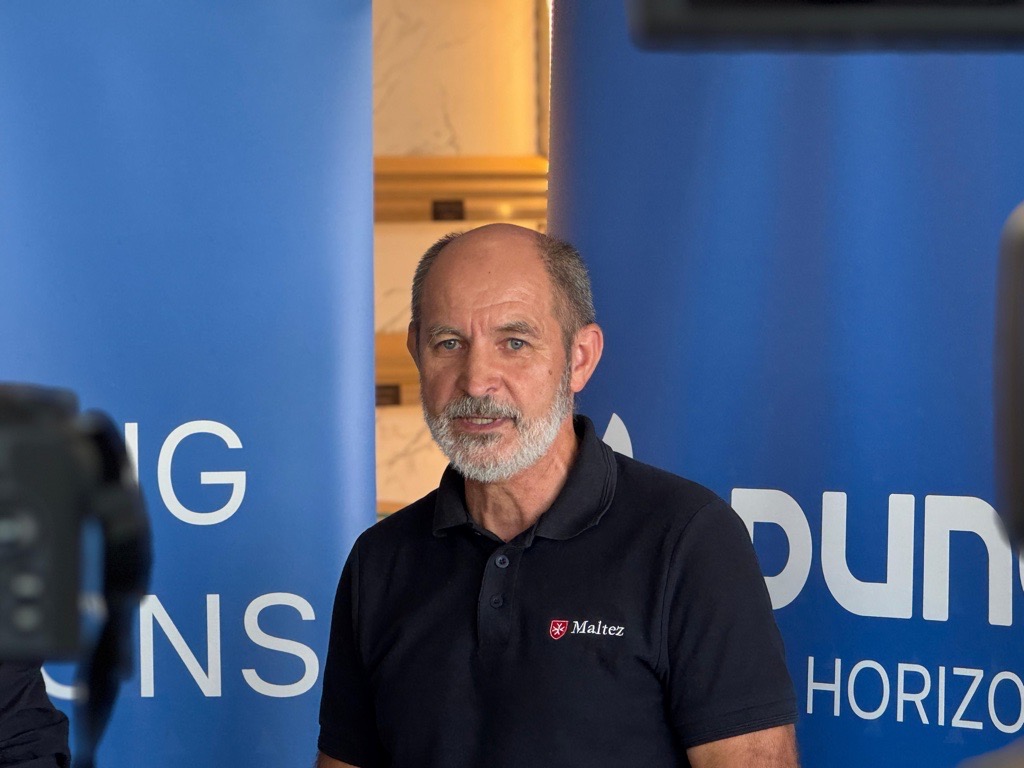
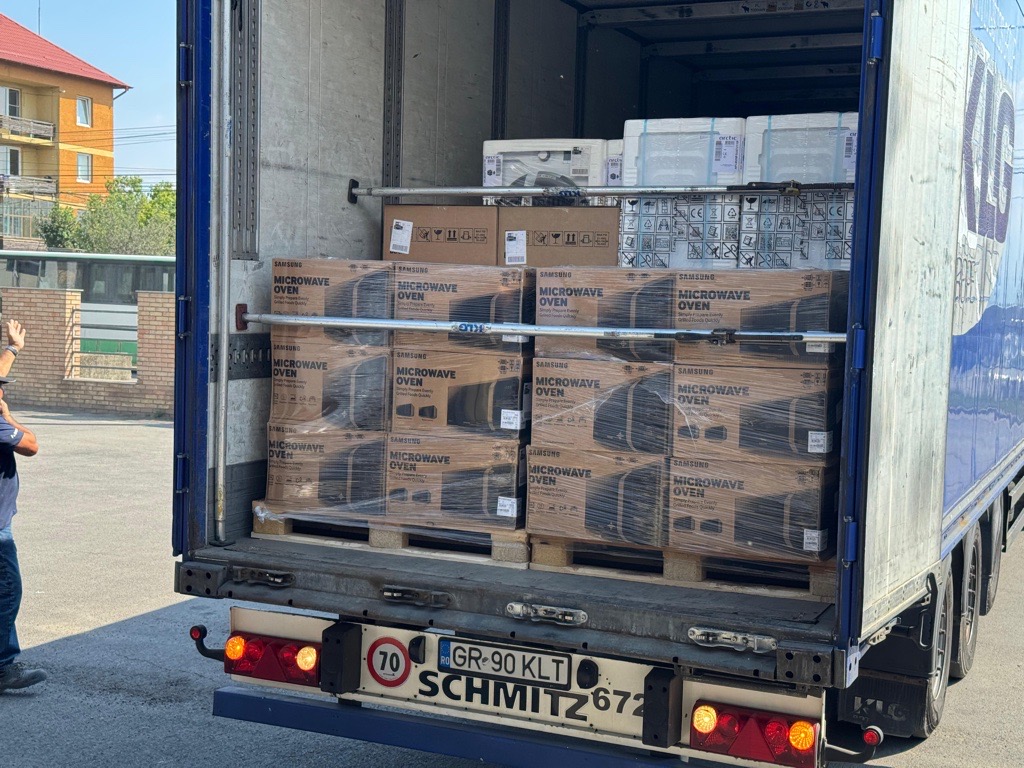
Although our headquarters is located in Bács-Kiskun County, we believe that help knows no geographical boundaries. When Covasna County was hit by severe flooding in May 2025, we took action immediately. Now, in early August, this joint effort has come to fruition: we donated nearly 50 million forints worth of household appliances to families affected by the floods in the villages of Nagyborosnyó and Bácstelek.
Thanks to this support, the everyday lives of nearly 500 people have become easier, as the donated household and electronic appliances directly replaced essential items lost in the floods. Among the donated equipment brand-new refrigerators, stoves and washing machines arrived to the affected families.
The initiative was carried out with the professional involvement of the Maltese Charity Service of Sepsiszentgyörgy (Sfântu Gheorghe), coordinated by president Mihály Dénes. Local logistics were supported by Sepsi OSK, led by club president László Diószegi. The door-to-door distribution of donations in Nagyborosnyó and Bácstelek was made possible through the active participation of the Sepsi OSK II youth football team.
As part of Duna Group’s CSR activities, this marks the first time such a significant level of support has reached the region. When our company learned about the disaster situation in Covasna County, preparations for the donation process began immediately, ensuring that meaningful assistance could be provided to the communities affected by flood. Duna Group remains committed to supporting the region in the long term and is open to mobilising additional resources if needed.
This donation aligns perfectly with our company’s long-term CSR strategy, which aims to ensure that the presence of Duna Group creates lasting value not only in infrastructure but also in the lives of communities—regardless of how far they may be from the company’s headquarters.
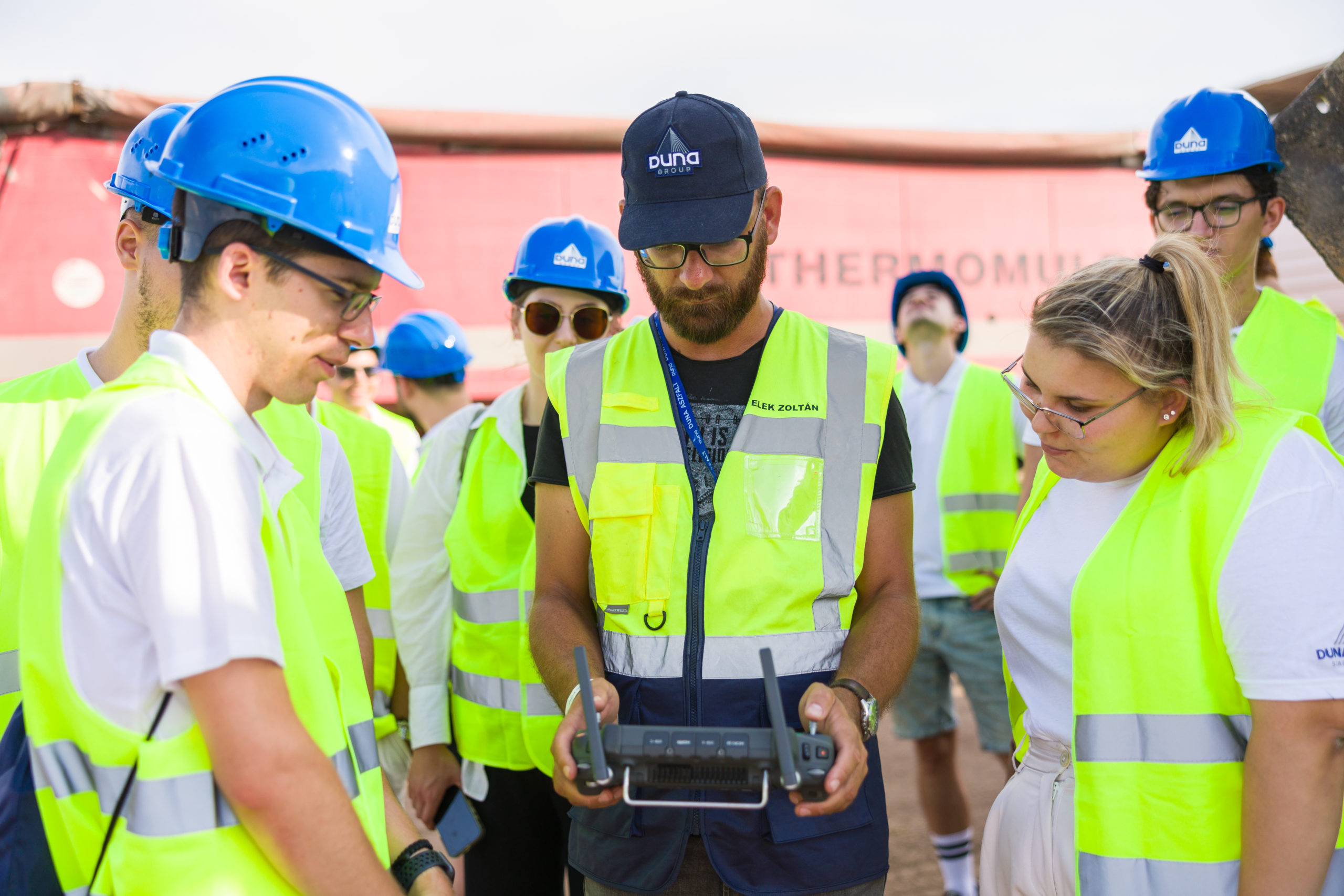
This year, the Duna Group Summer University offers its most ambitious programme to-date for the most dedicated university students. The aim of the event is to give civil engineering, architecture, water engineering, surveying, geographical information system specialist, mechanical engineering and IT students first-hand insight into the most modern solutions and outstanding projects of the Hungarian construction industry.
“The goal of the Duna Group Summer University is to provide a platform for knowledge sharing, intergenerational dialogue, and for the presentation of construction innovations and trends. For Duna Group, talent development, knowledge-based growth and strengthening long-term partnerships are strategic priorities. This summer university is a space where we not only transfer knowledge but also build community—between the best professionals of today and the builders of tomorrow,” highlighted Beatrix Szabó, Chairperson–CEO of Duna Aszfalt Zrt.
The central theme of the 2025 Summer University will be the Mohács Danube Bridge—one of the largest and most complex infrastructure investments in Hungary. Participants will also gain practical insight into the implementation of infraBIM applications, guided by Duna Group’s experts. A new highlight of this year’s programme is the relationship between construction and environmental protection, and alongside a focus on Duna Group’s expanding presence in Central Europe.
“Our goal is to give participating students hands-on, defining experiences that inspire them, motivate them, and help shape who they want to become as professionals. This year’s Summer University will be the biggest, most diverse and coolest yet!” emphasised Péter Kincses, the event’s chief organiser.
The event provides full catering and accommodation for the participants. The registration platform is available at the following link: //www.duna.group/dunagroup-szabadegyetem/
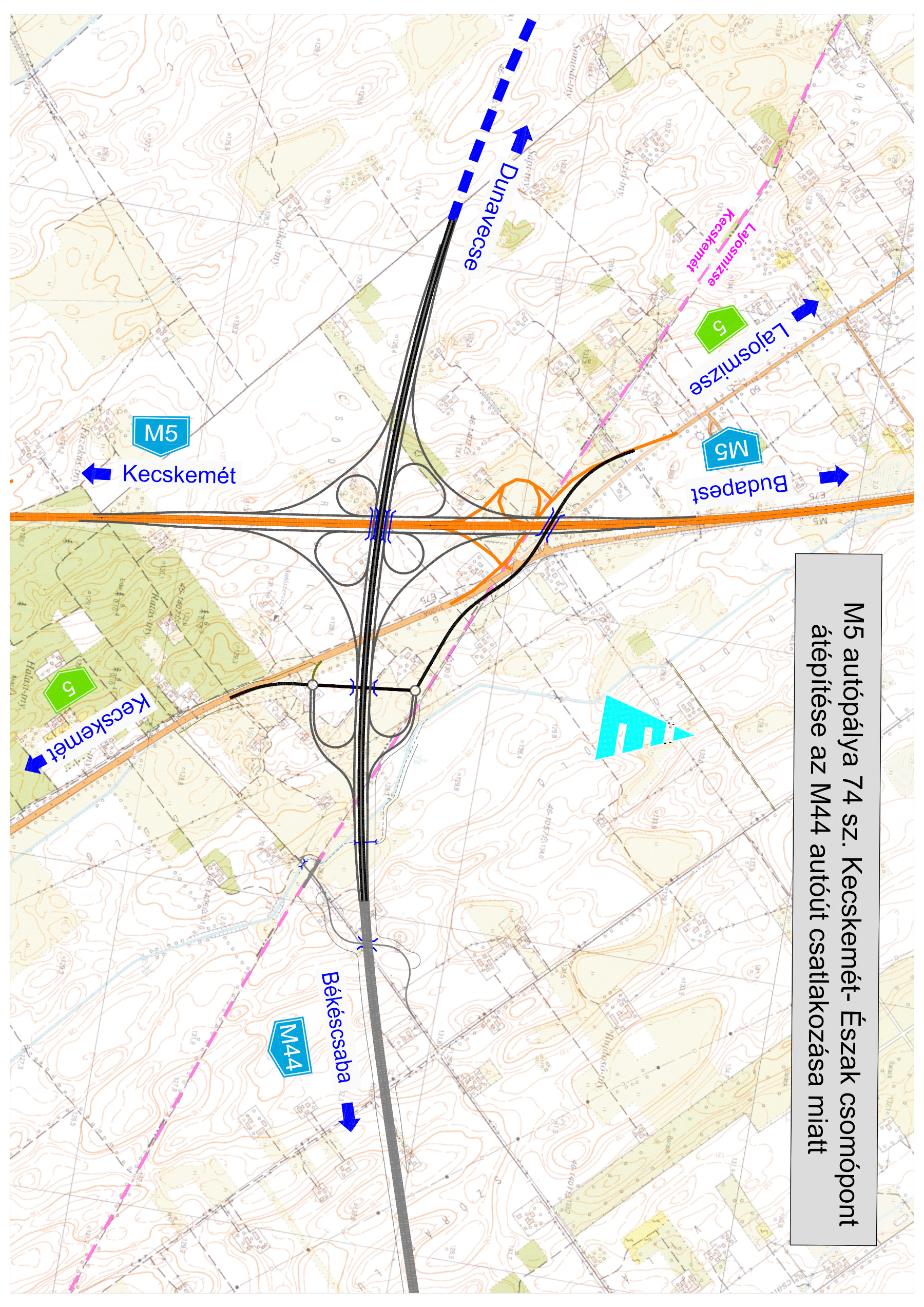
In February 2025, Duna Group member Hódút Építő Kft. signed a contract amendment to build the interchange between the M5–M8 (future M200) motorway and the M44 expressway. This interchange will connect the already under-construction of the 32 km-long Kecskemét–Szentkirály section of the M44 to the M5 motorway, becoming the largest rural road interchange in Hungary.
Since April 2025, the 32.2 km section of the M44 between Kecskemét and Szentkirály has been in use, providing a four-lane connection between Békéscsaba and the M5 motorway.
The entire interchange is expected to be completed by the end of 2026, significantly improving the road connection between Eastern and Western Hungary. Although recurrent traffic restrictions will be necessary during construction, the result will be a modern junction of international standard that strengthens Hungary’s long-term logistical competitiveness.
The scale of the project is shown by the construction of 22.3 kilometres of road with three-layer asphalt pavement and Ckt base course. The development includes the completion of 7 new engineering structures, and the demolition of one existing overpass. The attached drawing shows the above-mentioned elements — at first glance, this project certainly does not seem to be such a large-scale undertaking.
A correction section has also been built on Main Road 5, including two roundabouts, ensuring the connection between the M44 expressway and Main Road 5. This was a condition for the completion of the Kecskemét–Szentkirály section, which was opened in mid-April.
The new engineering structures over the M5 motorway are being built without intermediate supports in the main carriageway cross-section. The overpass to be demolished can only be removed once the Partial Technical Handover for the newly built overpass (along the location line of Main Road 5) instead of it has happened and it has been granted temporary traffic approval. During the construction of the interchange, multiple phased technical handovers and traffic diversions will take place to ensure continuous road traffic flow.
The project is being carried out under the investment of the Ministry of Construction and Transport. The uniqueness and the complexity of the construction process are well demonstrated by the fact that the organisations involved in building the interchange—MKIF (Hungarian Concession Infrastructure Development Plc), AKA (AKA Alföld Concession Company Ltd.), Magyar Közút (Hungarian Public Roads) and the competent permitting authorities—have never worked together in this configuration on a single project before.
The full cloverleaf design of the interchange is exceptional not only in size but also in engineering prestige in Hungary. There is currently only one other interchange of this geometry in operation in Hungary, making the Kecskemét project another milestone in the history of national infrastructure development.
For Duna Group, this task is not only a professional challenge but also a renewed demonstration of our commitment to developing Hungary’s transport infrastructure besides strengthening the country’s economic competitiveness.